Ireland's exclusive EP Equipment dealer · Sales, hire & service across all 32 counties
Use case · Step 2 & 3

Automate Production Line Feeding

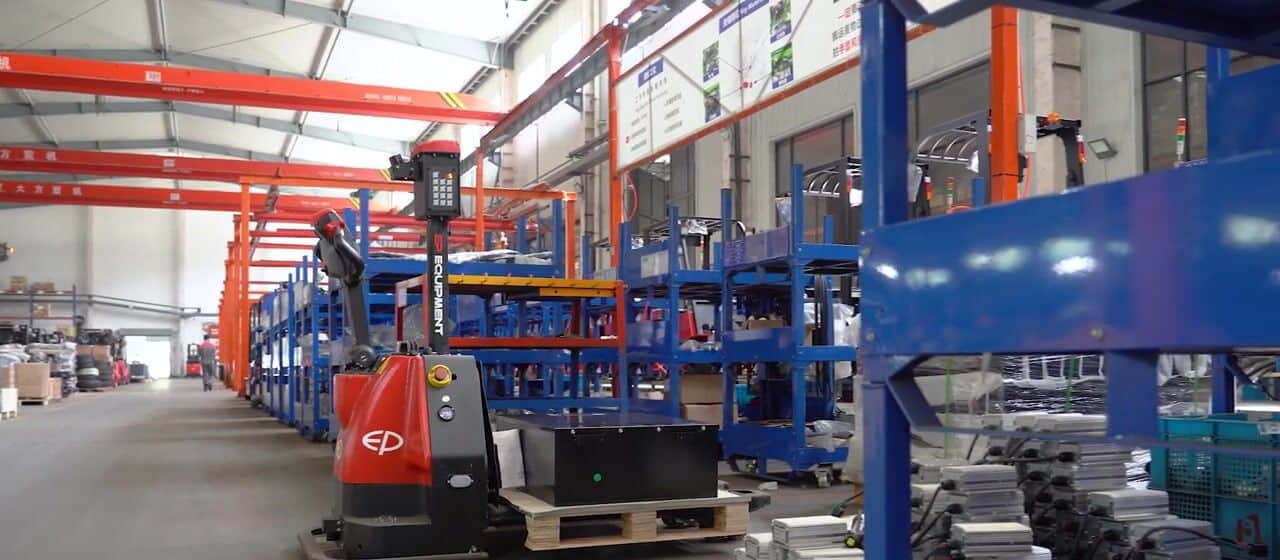
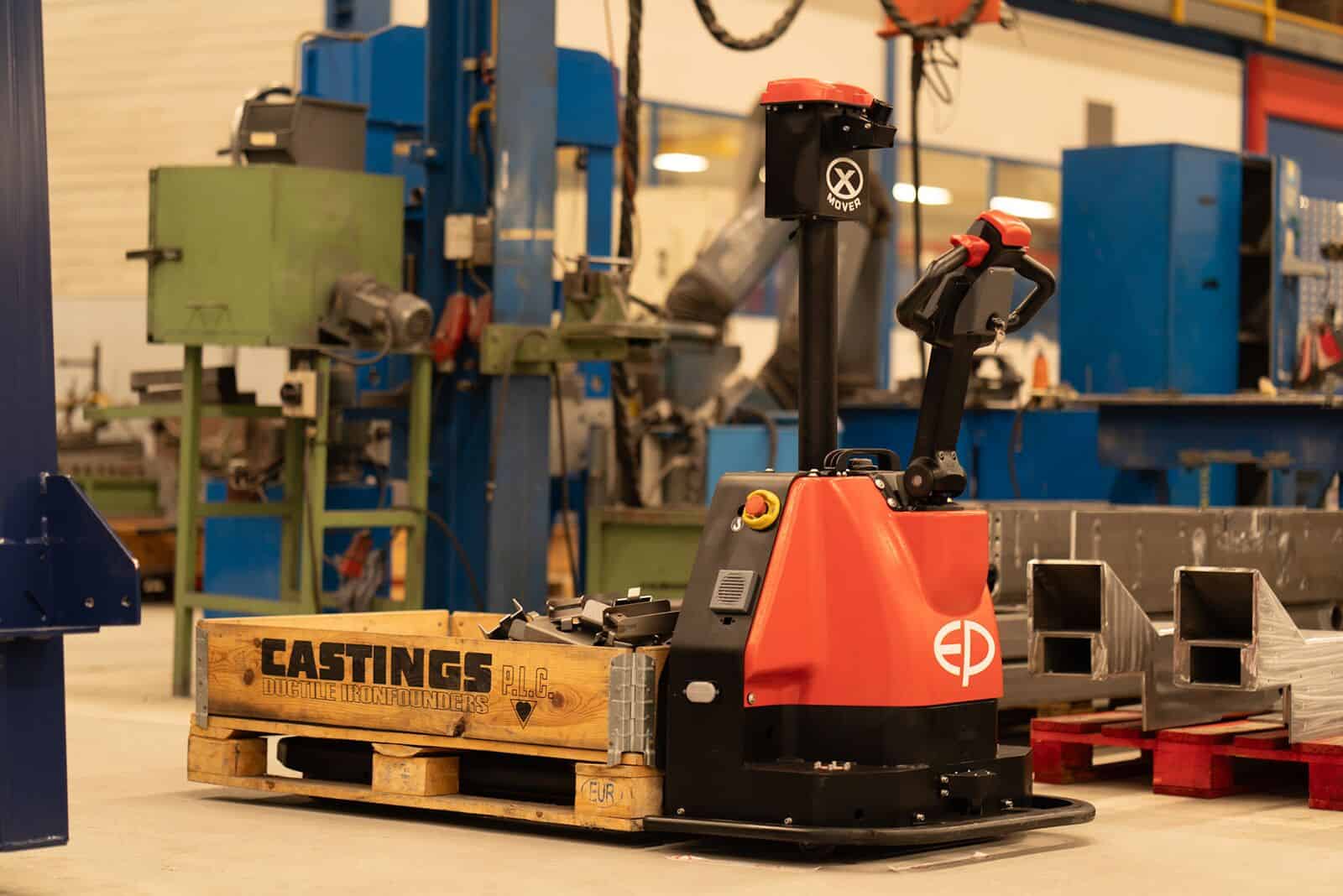
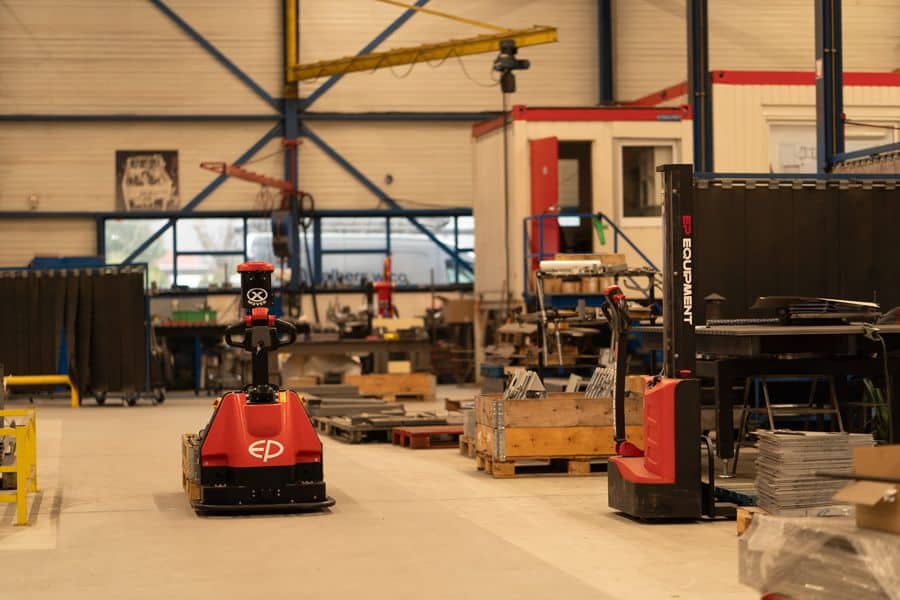
Raw materials and parts delivered to the line, and flow between work cells. The robot runs the milk-run from stores to each line and between work cells, on a fixed route with set stops.

Or call 01 5267 411 (ROI) · 028 3833 7038 (NI)

  • Demo warehouse in NavanSee it before you buy
  • Exclusive EP dealerAll of Ireland & NI
  • Live in about 4 weeksInstalled in a day
  • Local engineersNavan & Portadown depots
The job

Production line feeding: the problem

Lines stop when materials don't arrive, so skilled operators leave their machines to fetch pallets, cages and trolleys. It's the most common hidden cost we see on factory floors.

How a robot does it

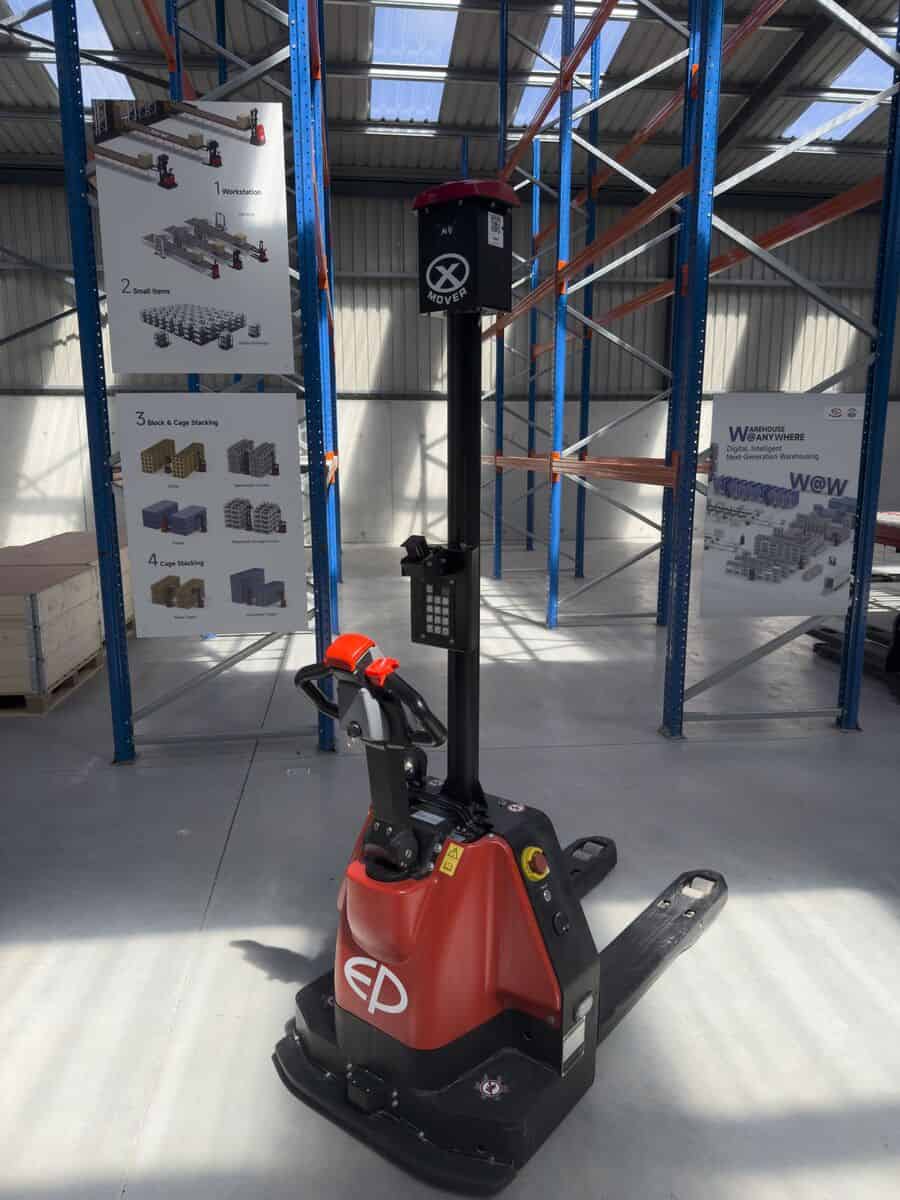
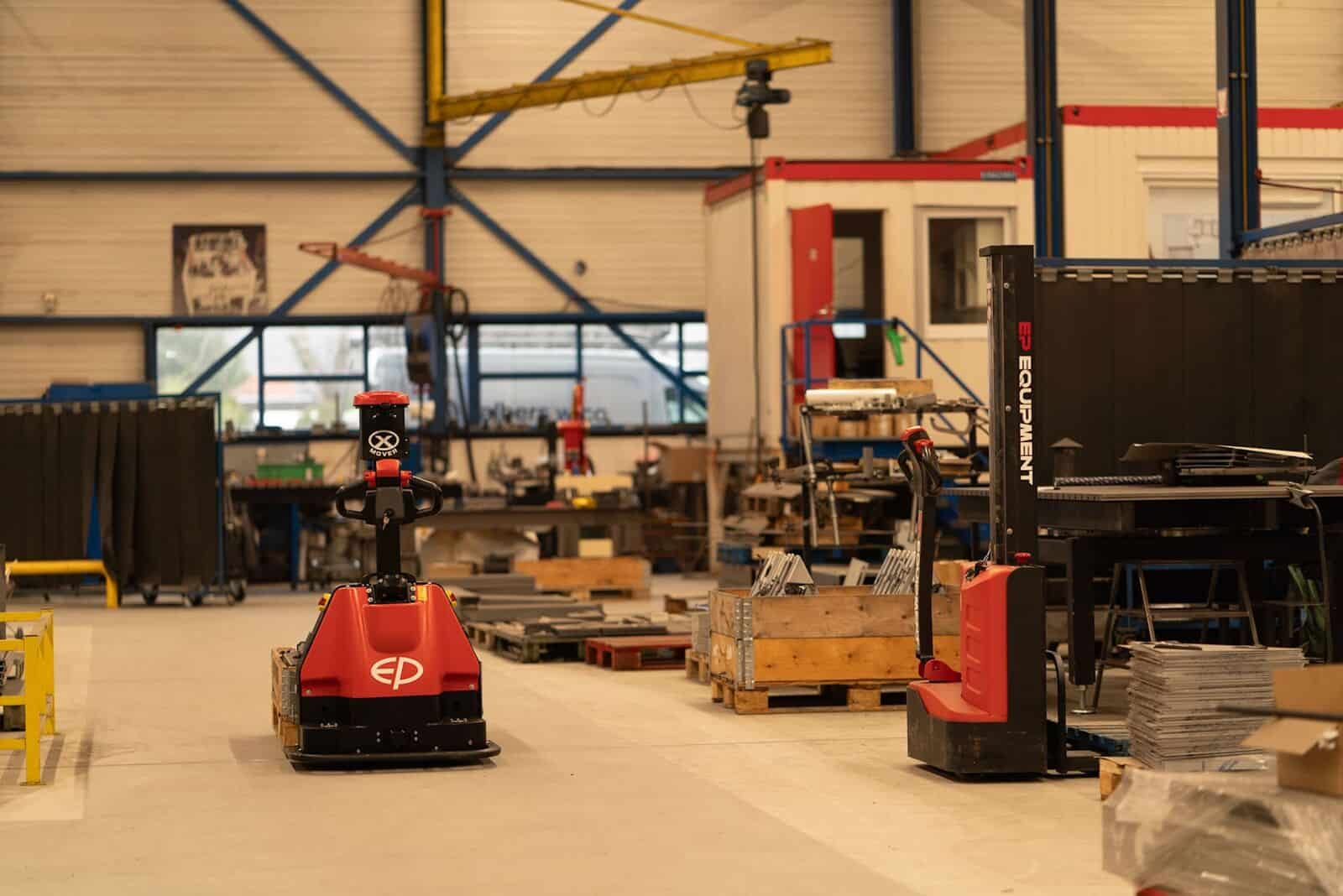
The robot runs the milk-run from stores to each line and between work cells, on a fixed route with set stops. A keypad or call box at the line lets operators call it or send it to a different station.

Ask about my route
Operator choosing a destination on the EP XP15 keypad
What changes

Before and after

Today

Done by hand

  • Operators leave the machine to fetch materials
  • Forklifts weave through busy production aisles
  • Lines wait when the run is late
With an EP robot

Automated

  • Parts arrive on a steady loop all shift
  • Operators stay at their machines
  • Fewer forklift movements in production areas

EP examples: an automotive plant feeds chassis parts to robot lines and collects the empty stillages. Another site moves mesh cages around 500 m across halls to an intermediate store.

Transport steps

Where this step sits in your flow

This job is step 2 and 3 of the seven pallet transport steps we see on most sites. Tap the others to see what else can be automated.

Plan of a typical site showing the 7 pallet transport steps a robot can automate Goods inDock doors StorageRacking & block stacks ProductionLines & work cells End of lineWrapper & roller bed DispatchLanes & doors Waste & emptiesBaler, compactor, pallet stack 1 2 3 4 5 6 7

Step 1 of 7

Goods in to storage

The job

Unloaded pallets taken from the dock to staging, block stacks or the racking.

How the robot does it

Operator lifts at the dock, presses go; the robot drops in rows with column loading and returns.

Machines we'd suggest

Goods in to storage: see how we automate it →
EP automated pallet truck taking a crated pallet from goods in to storage

Step 2 of 7

Storage to production

The job

Raw materials and parts delivered from stores to each line, when they are needed.

How the robot does it

A fixed milk-run with stops at each line. A call box at the line calls the truck.

Machines we'd suggest

Production line feeding: see how we automate it →
EP XP15 automated pallet truck feeding parts to a production line

Step 3 of 7

Production flow

The job

Work in progress moved between machines, cells and halls.

How the robot does it

Short repeat loops; a keypad on the truck picks the next destination.

Machines we'd suggest

Production line feeding: see how we automate it →
Operator choosing a destination on the EP XP15 keypad

Step 4 of 7

Production to warehouse

The job

Finished pallets taken off the line to the warehouse or buffer.

How the robot does it

The robot collects at the end of the line and drops in the buffer, around the clock with a spare battery.

Machines we'd suggest

End of line: see how we automate it →
EP XP15 automated pallet truck on its route through a factory

Step 5 of 7

Palletiser, wrapper & roller bed

The job

Pallets between palletiser, wrapper, roller beds and sorters.

How the robot does it

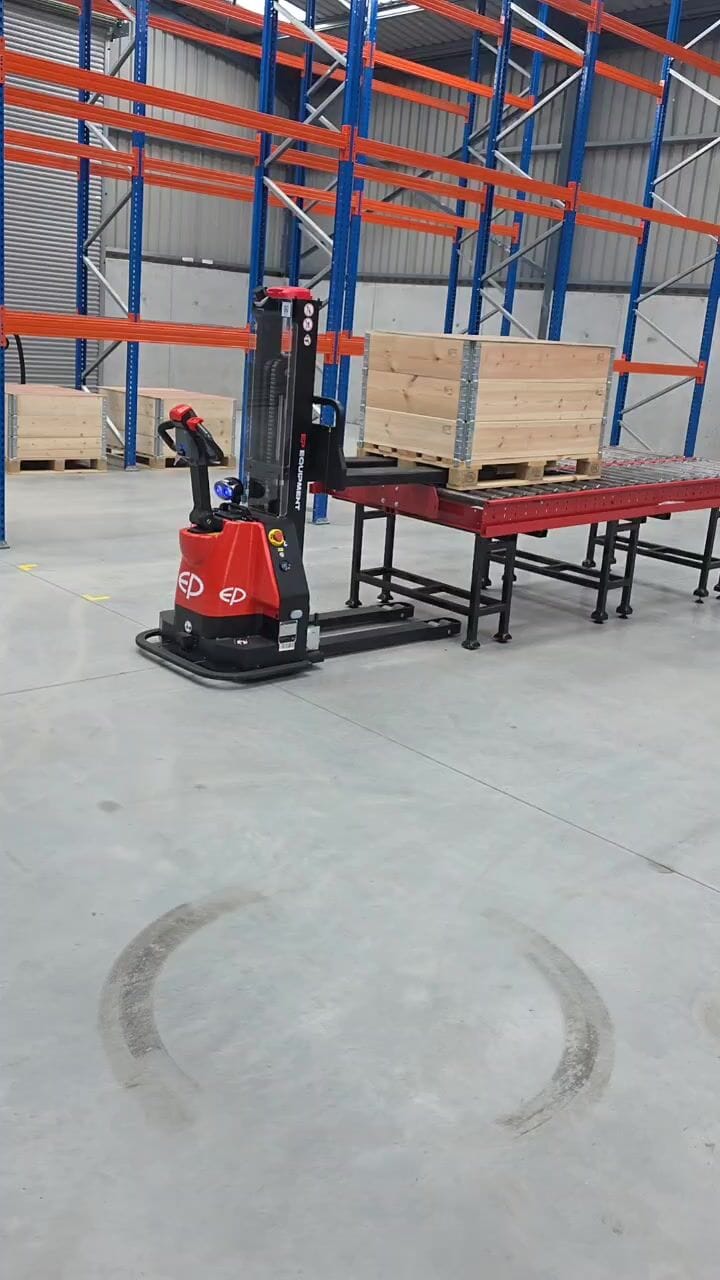
The XPMM lifts to 1 m to load and unload roller beds and conveyors.

Machines we'd suggest

End of line: see how we automate it →
EP XPMM automatic stacker setting a pallet down on a roller bed

Step 6 of 7

Dispatch & cross-docking

The job

Pallets staged in outbound lanes, or straight from inbound to outbound doors.

How the robot does it

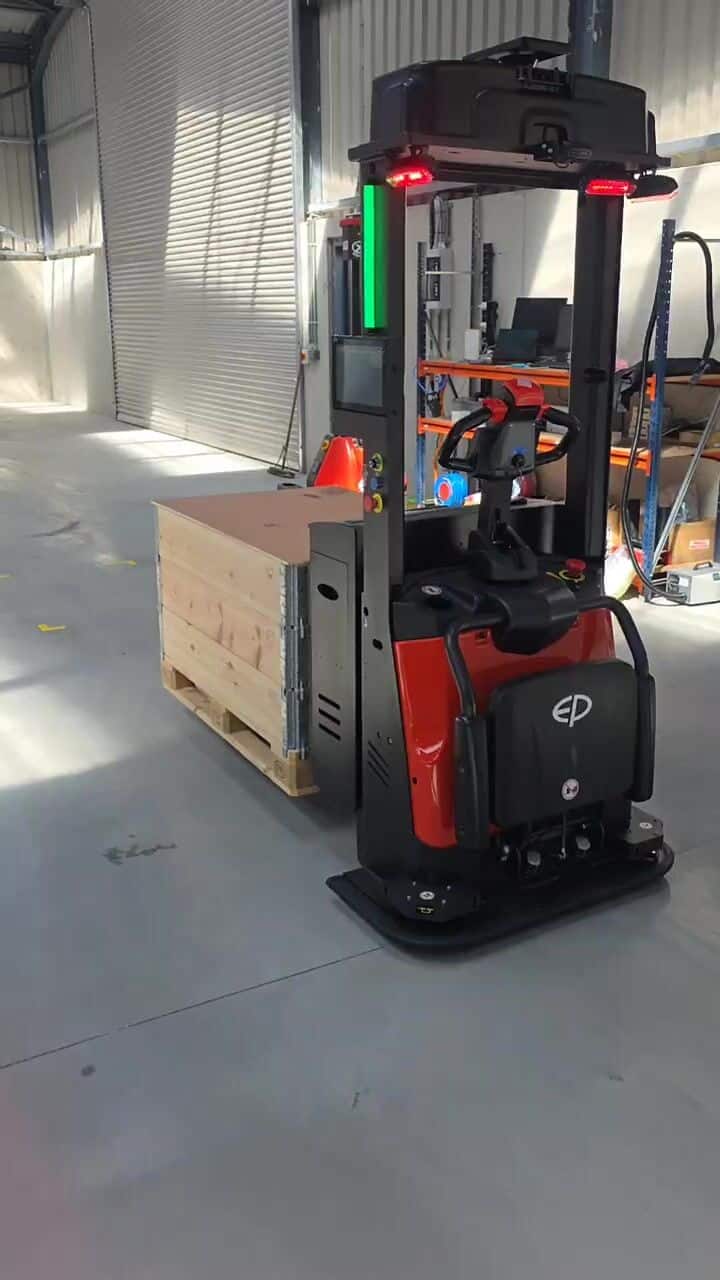
Long-run robots carry two pallets per trip; destinations by keypad or from your WMS.

Machines we'd suggest

Dispatch & cross-docking: see how we automate it →
EP autonomous stacker using fork-tip lidar to lift a crated pallet

Step 7 of 7

Waste & empty pallets

The job

Empties, packaging and waste cages cleared to the stack, baler or compactor.

How the robot does it

A simple loop all shift. The easiest first project.

Machines we'd suggest

Waste & empty pallets: see how we automate it →
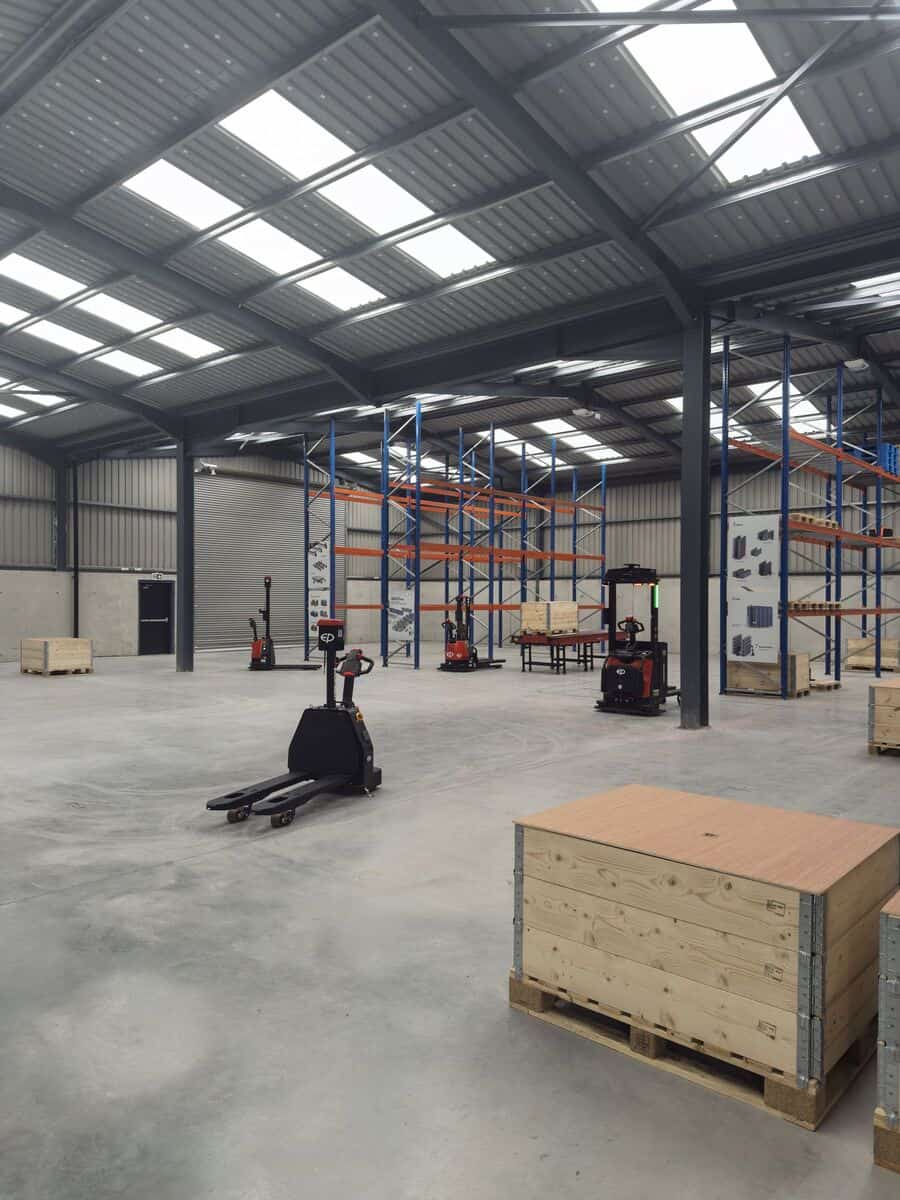
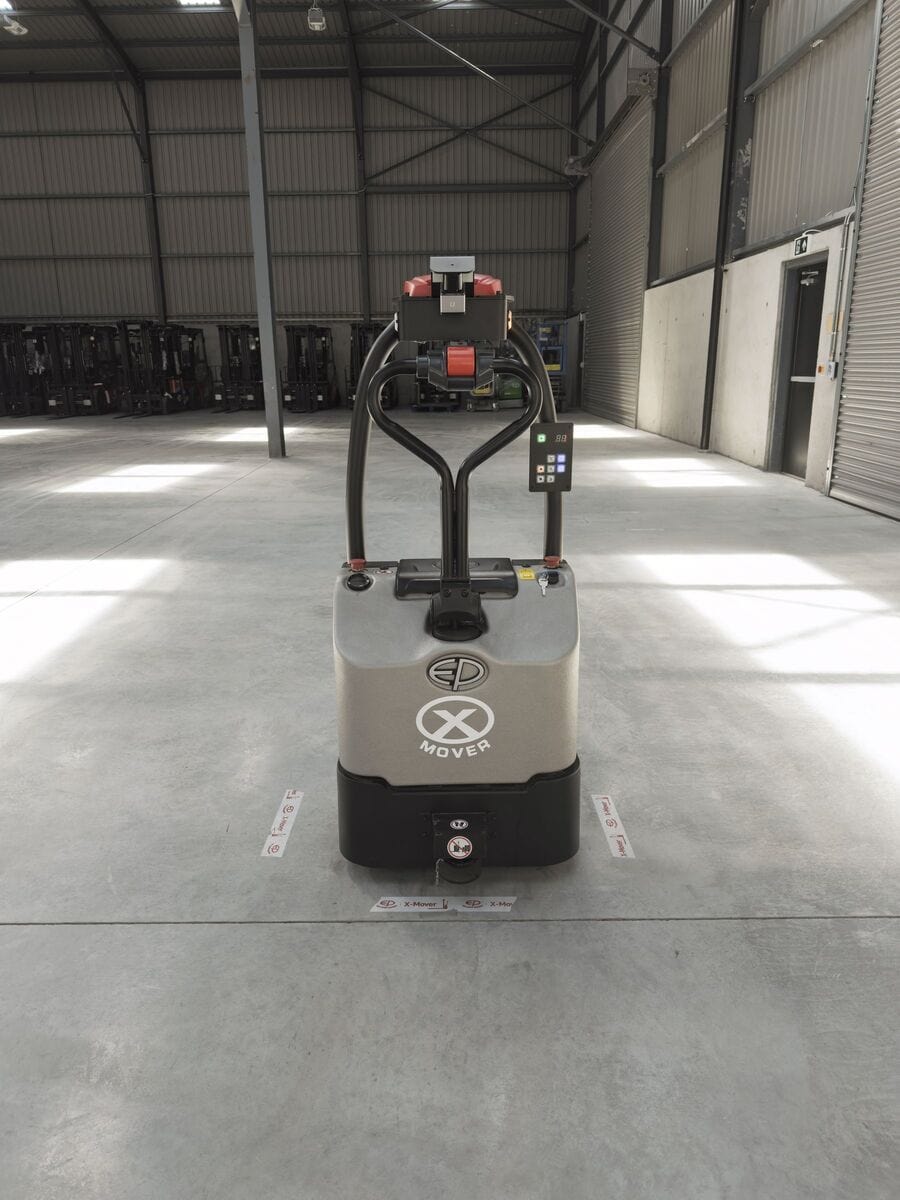
EP EXP15 entry level automatic pallet truck in the Navan demo warehouse
Recommended

Machines for this job

The EP models we would usually suggest. We confirm the right one after a site survey.

How a project works

From first call to robot running in about four weeks

Most of our deployments go live in around four weeks. A standard one-task set-up is installed, programmed, tested and handed over in one day, with minimal downtime for your team.

  1. Day 1

    Call & demo

    A 15-minute call about your routes, then a demo in our Navan automation centre if you want one.

  2. Week 1

    Site survey

    We walk your site, or you send a walkthrough video and a few drawings. We map the routes worth automating.

  3. Week 1-2

    Scope & proof

    We agree the task, the success measures and a proof of concept, and fix your install date within 48 hours of the go-ahead.

  4. Week 2-3

    Delivery from stock

    Your EP robot ships from European stock and arrives in about a week.

  5. Week 3-4

    Install & support

    Installed, programmed, tested and your team trained in a day. Then Clearlift support, and more routes when you want them.

Questions we get asked

Can the robot stop at several workstations?

Yes. Multi-stop routes and a keypad let one truck serve several stations, and call boxes let a station call it.

Pallet truck robot or tow tractor?

Pallets, cages and stillages suit the XP15. Trains of trolleys suit the XQD40T tow tractor.

How much does it cost to automate this route?

One EP XP15 X-Mover starts from €25,000 plus €1,500 set-up, or €1,000 a month on hire. The entry EXP15 is from €12,000 or €500 a month. Prices are ex VAT, and we give you a fixed price after the site survey.

Can we see it working first?

Yes. Book a demo in our Navan automation centre, or send us a video of your route and we will tell you how we would automate it.

Next step

Talk to us about your production line feeding route

Book a free demo in our automation centre, or ask us to look at your site. We'll show you which routes are worth automating and what it would cost, with no obligation.

ROI 01 5267 411 · NI 028 3833 7038 · Mon to Fri, 8:30am to 5pm