Imagine this: You’re knee-deep in a busy warehouse shift, your Toyota forklift coughs to a halt, and suddenly you’re hunting for toyota forklift parts that seem impossible to find quickly. Downtime piles up, costs skyrocket, and your whole operation grinds slower than you’d like. If that scenario hits too close to home, you’re not alone. Plenty of fleet managers swear by Toyota’s reliability, yet wonder if those same toyota forklift parts are quietly dragging down efficiency.
Here’s the thing. Toyota forklifts dominate the market for their durability and performance, but parts availability, pricing, and compatibility can make or break your uptime. In this comparison post, we’ll break it all down side by side. You’ll see how toyota forklift parts stack up against aftermarket alternatives and even competitors like Hyster or Yale in key areas: lead times, costs, quality, and long-term fleet impact.
Stick around, and you’ll walk away with clear insights to decide if sticking with OEM toyota forklift parts is smart, or if switching could supercharge your operation without sacrificing the Toyota edge you love. Let’s get into it.
Common Pain Points with Toyota Forklift Parts
If you’re managing a warehouse or manufacturing site in Ireland with Toyota diesel or LPG forklifts, those reliable workhorses come with some predictable headaches around parts. Models like the Tonero series handle heavy outdoor tasks such as yard work or loading docks brilliantly, but they demand frequent swaps for hydraulic pumps, filters, and batteries. Hydraulic pumps and hoses wear out from constant pressure, leading to leaks that halt lifts mid-shift; filters clog with dust and debris, starving engines of clean fuel or air; and batteries in hybrid setups struggle with charging cycles in harsh conditions. These replacements aren’t rare, they are routine every 2,000 to 4,000 hours, pulling your team off productive work. Engine-powered Toyota forklifts dominate Irish logistics, yet this upkeep cycle disrupts flow in fast-paced environments.
Downtime hits hardest during peak seasons, like holiday rushes in distribution centers or harvest times for agribusinesses. A delayed hydraulic pump can sideline a forklift for days, with parts lead times stretching due to supply chain snags, costing thousands per hour in lost productivity, idle labor, and rushed overtime. In manufacturing, one outage ripples through assembly lines, delaying shipments and frustrating customers. Industry estimates peg unplanned stops at $6,000 to $22,000 hourly, amplified in Ireland’s tight-knit logistics networks.
Genuine Toyota forklift parts carry a premium for their fit and warranties, but they tie into service revenue streams, often 20-30% of dealer income from ongoing maintenance. Aftermarket options tempt with savings, yet risk compatibility issues and higher long-term costs. As the Europe forklift market surges from USD 25.40 billion in 2025 to USD 72.84 billion by 2034, efficient parts strategies become essential. Smart operators stock critical spares and explore low-maintenance alternatives like lithium electrics to cut downtime and costs, boosting overall efficiency. Common forklift parts terms highlight why proactive planning pays off.
2026 Trends Driving Electric Forklift Adoption
Imagine ditching the endless hunt for diesel Toyota forklift parts and stepping into a future where your fleet runs smoother, greener, and cheaper. By 2026, Europe’s lithium electric forklift market hits USD 4.8 billion, growing at a robust CAGR as businesses swap internal combustion engines for electric power. This shift isn’t hype; it’s driven by real demands for efficiency and compliance. Warehouse orders rebound 10.1% that year, fueled by e-commerce recovery and automation needs. For Ireland and Northern Ireland operators, it’s a game-changer, especially in food processing and retail where clean ops matter most.
Lithium Batteries: 3x Longer Life, Zero Hassle
Compare lithium batteries to traditional lead-acid or diesel setups side-by-side, and the winner’s clear. Lithium lasts over 3,500 cycles—three times lead-acid’s 1,000-1,500—meaning 8-10 years of service without replacement headaches. No watering, no equalization; built-in management systems handle everything, slashing maintenance to zero and downtime by hours weekly. Fast charging? One to two hours for a full top-up versus eight-plus for lead-acid or refueling diesel trucks. In multi-shift warehouses, this means opportunity charging during breaks, boosting uptime 20-30%. Diesel’s fuel volatility and emissions? Forgotten. Electric Forklifts Business Report.
Sustainability Mandates Push the Pace
EU Green Deal rules and net-zero targets are forcing the IC engine exit, with electric models now over 70% of new sales in Europe. Lithium’s recyclable design fits circular economy goals perfectly. For food and beverage producers in Ireland, zero NOx and CO emissions mean no ventilation retrofits, just compliant, odor-free floors. Retail distribution centers love the quiet, emission-free runs indoors.
In Ireland/NI, fuel costs drop to €2.50/hour electric versus €5 for diesel—€3,750 saved yearly per 1,500-hour truck. Clearlift’s lithium-powered EP forklifts deliver this edge, with our servicing keeping you rolling. Ready to electrify? Chat with our team for a fleet audit. Europe Forklift Trends.
Toyota vs Lithium Electric: Maintenance Breakdown
Let’s break down the maintenance realities head-on: if you’re dealing with Toyota forklift parts for older IC or lead-acid models, you’re likely spending big on frequent replacements and downtime. Modern lithium electric forklifts, like those from EP Equipment that we supply at Clearlift, flip the script with smarter design and far less hassle. This side-by-side look focuses on batteries, hydraulics, engines, and total cost of ownership (TCO), tailored to the multi-shift warehouse demands you face daily in Ireland and Northern Ireland.
Batteries: Frequent Swaps vs. Long-Life Opportunity Charging
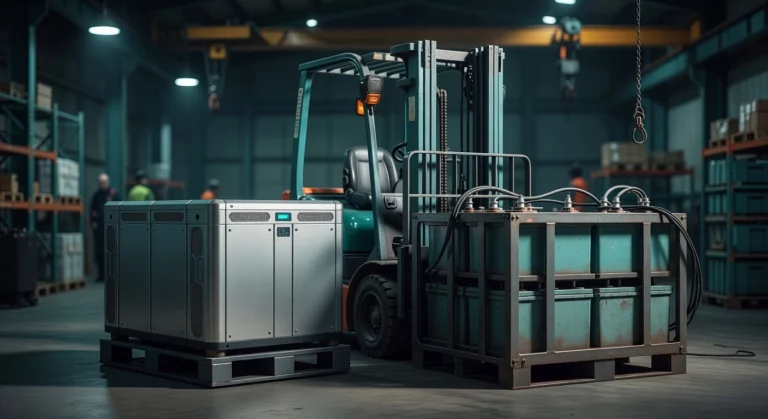
Toyota’s traditional lead-acid batteries demand weekly watering, corrosion cleanup, and long 8-12 hour charges plus cooling time, often totaling 16-20 hours of downtime per cycle. They handle just 1,000-1,500 cycles before needing replacement, so multi-shift ops require spare batteries and dedicated swap areas. In contrast, lithium-ion batteries in EP Equipment deliver 5,000+ cycles over 7-12 years, with zero maintenance beyond monthly visual checks; they’re fully sealed. Opportunity charging shines here: top up 50% in 15-30 minutes during breaks, full charge in 1-2.5 hours, no cooling or swaps needed. For a busy logistics hub, this means one battery per truck supports 24/7 runs, cutting Toyota forklift parts orders for batteries by eliminating spares. Real-world win: warehouses report 30-50% efficiency gains, even in cold storage down to -30°C. Check Toyota’s own insights on lead-acid vs. lithium-ion options.
Hydraulics and Engines: Leaks and Failures vs. Electric Simplicity
IC Toyota models pack complex engines prone to oil changes every 250 hours, filter swaps every 500 hours, and hydraulic leaks from heat and vibration, driving up parts like seals and hoses. Tires wear 20-30% faster too, thanks to extra weight and emissions. Electric lithium setups slash moving parts: no engine, fuel system, or exhaust means hydraulics stay cleaner and last longer, with regenerative braking extending life further. EP’s EFL series integrates lithium into robust chassis, ditching 70% of those IC fluids and filters. Operators in manufacturing sites tell us leaks were their top repair headache; electrics reduce that risk dramatically. See more on electric vs. IC pros and cons.
TCO: Slash Parts Needs by 50-70%
Over 8 years, lithium electrics cut TCO by 20-75% despite higher upfront battery costs. An example 5,000 lb truck: lithium at $30,900 total vs. lead-acid’s $34,850, saving nearly $4,000 from no watering or swaps. EP Equipment’s design aligns perfectly, eliminating engine parts for 50-70% fewer orders overall; maintenance drops 15-50%. In Europe’s booming market, projected to hit key growth by 2034, fleets transitioning now see ROI in 2-3 years. We at Clearlift handle your fleet electrification seamlessly, with nationwide servicing to keep you running.
| Aspect | Toyota IC/Lead-Acid | Lithium Electric (EP Equipment) |
|---|---|---|
| Maintenance | High (watering, oils, filters weekly) | Minimal (sealed, checks only) |
| Downtime | High (16+ hr cycles/swaps) | Low (opportunity charging) |
| Parts Needs | Many (50-70% more fluids/filters) | Few (tires/hydraulics; 50-70% less) |
| TCO (5-8 yrs) | Higher (€270/visit + replacements) | 20-75% lower; 2-3 yr ROI |
| Warehouse Fit | Outdoor/single-shift | Multi-shift, zero emissions |
Ready to audit your fleet? Contact Clearlift for a no-obligation TCO analysis tailored to your operations.
Key Parts Compared: Batteries, Filters, and More
Let’s break down the real differences in key Toyota forklift parts, focusing on how diesel models stack up against modern electric alternatives. Start with filters: diesel Toyotas, like the 8FD series, require engine oil, air, and fuel filter changes every 250-500 hours, often monthly in dusty warehouses. This adds up to thousands in annual costs and hours of downtime for your logistics team. Electric forklifts sidestep this entirely; no combustion engine means zero air or fuel filters, just basic inspections that slash service time by up to 70%.
Tires wear similarly on both due to load and terrain, lasting 1,000-2,000 hours with proper care. Brakes, however, shine for electrics: regenerative systems recover energy on stops, extending pad and rotor life 2-3 times over diesel’s friction-only setup. In a busy distribution center, that’s fewer replacements and less brake dust clogging your clean operations.
Controllers and motors further favor electrics. Brushless AC motors and smart controllers deliver consistent torque with MTBF over 10,000 hours, minimizing electronic failures that plague aging diesel transmissions.
Batteries seal the deal: lithium-ion options in electrics hit 5,000+ cycles with zero watering, per Toyota electric forklift FAQs. Interact Analysis projects lithium dominating 80% of electrics by 2030, driving lower TCO.
At Clearlift, we specialize in these reliable lithium systems for Ireland and NI. Ready to cut your Toyota parts chase? Chat with our experts today for a fleet audit.
Case Example: Warehouse Cutting Costs Post-Transition
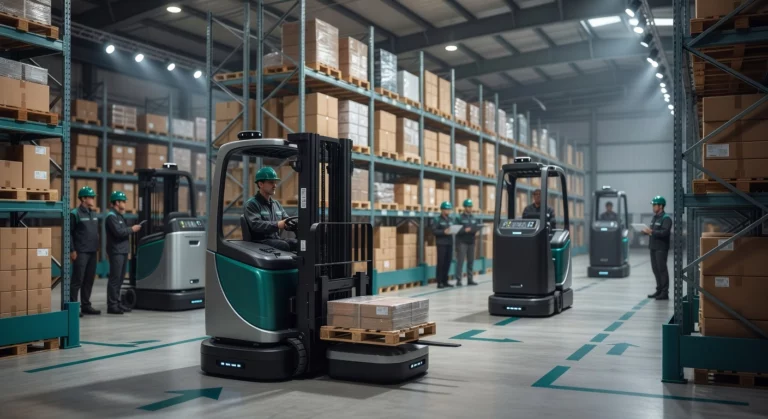
Picture this: an Irish logistics firm, let’s call it LogiHub, buried under frequent orders for Toyota forklift parts like fuel filters, engines, and hydraulics for their diesel fleet. High-volume pallet operations in Dublin meant constant downtime from repairs and refueling, eating into profits during 24/7 shifts. They made the switch to EP lithium stackers and forklifts through Clearlift, ditching those legacy parts hassles entirely. Opportunity charging during breaks kept them running non-stop, and operators adapted in days. No more diesel logistics or parts procurement; just seamless power from maintenance-free lithium batteries.
The results speak volumes. They saw a 40% drop in total cost of ownership, thanks to running costs of about €2.50 per hour versus €5.00 for diesel, factoring in fuel, upkeep, and no engine overhauls over 1,500 annual hours. Battery maintenance? Zero, unlike the watering and venting of older systems. Downtime halved, with quick top-ups eliminating idle time for refuels or swaps. Learn more about lithium-ion advantages. These gains align with Europe’s push, where lithium electric forklifts are set for massive growth.
This scales perfectly for manufacturing and distribution centres. Factories like Ireland’s largest door producer swapped diesel for EP pallet trucks and order pickers, boosting multi-shift efficiency on noisy floors. Builders’ merchants handled heavy yard work with EP models matching diesel power but at lower costs, even integrating solar. Distribution hubs thrived in narrow aisles, ready for automation.
Clearlift makes it effortless as your exclusive EP partner in Ireland and NI. Our nationwide servicing, remote diagnostics, and fleet electrification support ensure zero unplanned stops. Ready to cut costs like LogiHub? Chat with our team today. Your transition starts with a simple consultation.
Steps to Reduce Reliance on Forklift Parts
1. Assess Your Current Fleet
Start by digging into your usage logs to spot those high-maintenance Toyota models eating up parts budgets. Pull data from hour meters, telematics, or service records to identify diesel units like frequent filter-replacers or hydraulic hogs. This audit reveals patterns, such as models racking up 20-30% more parts costs than electrics due to oil changes and fuel systems. Actionable tip: Review every 250 hours, prioritizing high-hour machines. You’ll uncover quick wins, like swapping one culprit for an electric trial, cutting unplanned downtime by up to 75% with predictive insights.
2. Pilot Electric with EP Equipment
Next, test EP pallet trucks or reach trucks from Clearlift in your toughest shifts. These lithium-powered options handle 1.5-3 ton loads with zero oil or exhaust needs, slashing maintenance 30-40% versus diesel Toyotas. Track uptime over 3 months; expect $1,500-2,500 annual savings per unit from opportunity charging and fewer interruptions. In Irish warehouses, they thrive in multi-shift ops, proving real ROI before full commitment. Pros over IC: longer life, greener runs; cons minimal with fast pilots.
3. Leverage Clearlift’s Services
Tap preventative maintenance and consultations from Clearlift to preempt issues. Their experts analyze your fleet, schedule checks every 250-500 hours, and optimize for low-parts electrics. This cuts total costs 15-25%, extending equipment life by 40%. Get tailored advice on transitioning, backed by Ireland-wide support.
4. Plan Your Full Rollout
Scale with Clearlift’s national delivery across Ireland and NI, including hire-to-buy for smooth phasing: 20% pilot Year 1, full fleet by Year 3. Enjoy ongoing servicing from Dublin and Portadown. Ready to ditch Toyota forklift parts dependency? Chat with Clearlift today.
Actionable Takeaways for Your Operations
Audit Your Parts Spend First
Take a close look at your Toyota forklift parts expenses right now. Pull together the last 12 months of invoices for filters, hydraulics, and fuel systems, then project those costs forward. Compare them side-by-side with total cost of ownership estimates for lithium-electric alternatives, which often slash maintenance by up to 60% thanks to no oil changes or engine rebuilds. Tools like simple spreadsheets or fleet software make this straightforward. You’ll quickly see how transitioning uncovers hidden savings in downtime and labor.
Schedule a Free Consultation
Ready for personalized advice? Contact Clearlift today for a no-obligation chat on EP Equipment upgrades and smart spare parts strategies. Our team audits your site, reviews usage patterns, and maps out electrification paths tailored to warehouses or manufacturing. We’ve helped firms cut parts reliance dramatically while boosting uptime.
Ride the 12.5% CAGR Wave
Europe’s forklift market surges at 12.5% CAGR through 2034, fueled by sustainable fleets. Shift to electric now to capture efficiency gains like fast-charging lithium batteries that keep operations humming 24/7.
Build a Long-Term Partnership
Team up with Clearlift for ongoing lithium innovation, from pallet trucks to automation. We deliver national support, preventative maintenance, and fleet evolution, ensuring your operations stay ahead.
Conclusion
In summary, Toyota forklift parts excel in quality yet fall short with extended lead times, premium pricing, and compatibility hurdles that amplify downtime. Aftermarket options deliver comparable performance at lower costs and faster delivery, while competitors like Hyster and Yale provide more seamless ecosystem support for sustained efficiency. These insights reveal that diversifying your parts strategy can transform fleet reliability without compromising Toyota’s core strengths.
You’ve gained actionable comparisons to evaluate your operation’s true pain points and opportunities. Ready to minimize downtime and cut costs? Contact our team today for a free parts availability audit tailored to your fleet. Take charge now, streamline your warehouse, and propel your business forward with confidence.